Fate/Grand Order (English)
Aniplex Inc.Role Playing
4.015.57K Reviews
- Version
- 2.91.0
- Installs
- 5.00M
- Age Rating
- Teen
Screenshots
Our Review of Fate/Grand Order (English)
 Analysis by Appyee
I enjoy Fate/Grand Order (English) most when I treat it as a long-running story-driven RPG rather than a quick collection game. Its turn-based fights give me room to think, while the journey through historical periods and mythologies gives each stretch of play a clear narrative reason to continue. The central appeal is the combination: story chapters set goals, battles test how I use my team, and new characters offer fresh possibilities. That mix suits players who like a steady series of objectives more than an endless stream of short, disconnected matches.
A Journey Through Time and Space
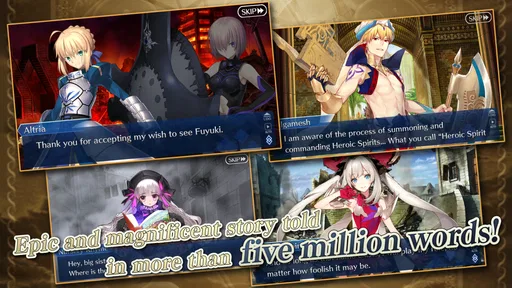
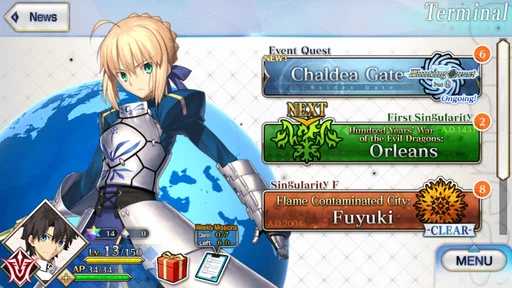
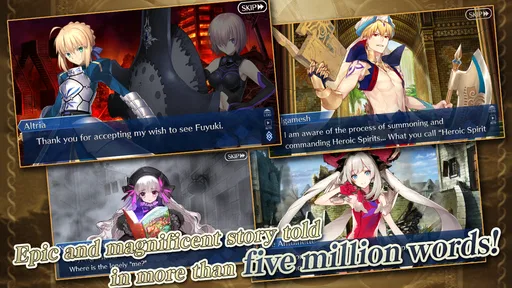
First off, let’s talk about the story. In Fate/Grand Order (English), you’re a master who’s tasked with saving humanity from certain doom by traveling through various historical periods. Sounds epic, right? This game doesn’t skimp on narrative. Each chapter unfolds like a captivating novel, complete with plot twists and character development that keep you hooked.
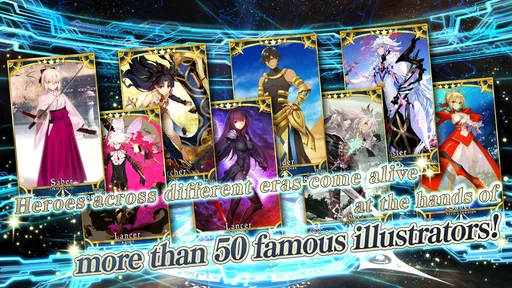
The narrative is rich and detailed, drawing you into a universe where history and mythology intertwine. It’s like having a history lesson mixed with fantasy, and trust me, it’s more exciting than it sounds. The characters, or "servants" as the game calls them, are inspired by legendary figures from different cultures, giving you a chance to meet everyone from King Arthur to Medusa.
Early goals give the story a useful direction
In the opening stretch, I’d focus on following the main story and learning what each battle asks of the team, rather than chasing every character or trying to perfect a roster straight away. The narrative provides a natural next step, and completing a fight feels connected to the wider journey instead of being progress for its own sake. That makes the game easier to approach if you’re new to turn-based RPGs: you can learn the rhythm as the stakes and cast develop.
One practical habit helps: pause before a difficult encounter and look at the servants you actually use, not only the rarest ones you own. The card choices make team composition matter, but a collection of impressive characters is not automatically a coherent party. Thinking about who can deal damage, who can support the group, and how their cards fit together is a more reliable early goal than treating every summon as an upgrade.
Gameplay Mechanics: More Than Just Clicking
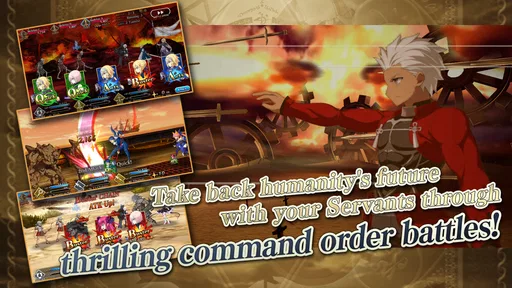
Now, let’s get into the meat of the game – the gameplay. Fate/Grand Order employs a turn-based battle system that initially seems straightforward, but there’s more than meets the eye. You’ll need to strategize and build teams that capitalize on your servants’ strengths and weaknesses.
The combat is card-based, where each servant has a set of command cards. You get to choose three cards per turn, which can trigger combos or unleash powerful "Noble Phantasms" – think of them as ultimate moves. It’s all about finding the right balance and synergy between your team members.
Progress feels clearest when you read the fight, not just the rewards
For me, a useful sign of improvement is noticing that I make better decisions with the same basic team. I start to recognize which servant should take the lead in a turn, when saving a strong move makes sense, and when a familiar combination can close out a fight. That kind of progress is less flashy than adding a new character, but it makes the strategy feel earned and gives me a reason to revisit how I approach a challenge.
The card system also rewards attention to the order of actions. If I’m choosing between three useful cards, I consider whether I need a dependable finish now or would rather set up a stronger turn later. This is a small decision, but repeated choices like it make routine encounters feel more involving. When a battle goes badly, I can often learn something from the choices I made instead of assuming my team is simply unusable.
Difficulty has a satisfying curve, with occasional friction
The straightforward controls make it easy to begin, but battles can ask for more thought as the story advances. That shift is part of the appeal: I don’t need to master a complicated action system, yet I do need to pay attention to team fit and card choices. A tough encounter can feel satisfying when I adjust my plan and get through it, though a sudden wall can interrupt the momentum of a story I’m enjoying.
When I hit that kind of wall, I prefer to change one thing at a time: reconsider the team, make a different card choice, or take a break and return with a clearer head. Random summons can provide options, but they are not a dependable answer to a specific battle problem. This is an important distinction for new players: the game’s tactical layer is worth engaging with, but it does not make every stretch frictionless.
The Gacha Element: A Double-Edged Sword
Ah, the gacha system – love it or hate it, it’s a core part of Fate/Grand Order. You summon new servants through a random draw, and this can be thrilling and frustrating in equal measure. The game is generous with its premium currency, giving free-to-play players a fair shot at getting some top-tier characters.
But let’s be real; it can also lead to some serious "salt" moments when you don’t get that coveted servant you’ve been eyeing. It’s all about luck, so if you’re a gambler at heart, you might just find this thrilling.
When the collecting loop helps—and when it gets in the way
Collecting gives the battle system variety: a new servant can make me rethink a team or simply deepen my attachment to the story’s cast. But I wouldn’t treat a desired summon as a plan for getting past a chapter. Randomness can leave a player disappointed, and spending to chase a particular result can turn entertainment into pressure. My advice is to decide what you’re comfortable spending, if anything, before a tempting banner appears; the game is free to start, but optional in-app purchases range from $0.99 to $79.99 per item.
For a casual session, I might read part of a chapter and complete a few battles, then stop before the urge to keep summoning takes over. That is a healthier rhythm than measuring a good day by whether I received a specific character. If you prefer games where new units are earned through predictable milestones rather than random draws, this element may be a reason to choose a different RPG.
Visuals and Audio: A Feast for the Senses
Visually, Fate/Grand Order is stunning. The art style is vibrant and detailed, with each servant sporting a unique design that reflects their lore. The animations, especially during battles, are smooth and flashy, making each encounter feel grand and epic.
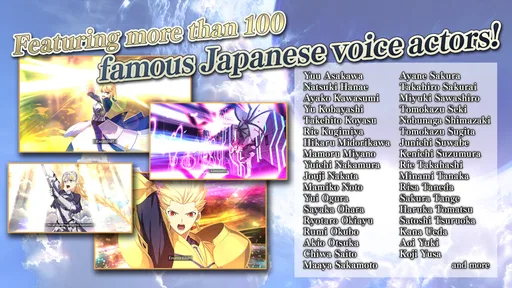
The audio experience is just as impressive. The game boasts a stellar soundtrack that enhances the atmosphere, whether you’re in the heat of battle or exploring a new story chapter. Plus, the voice acting is top-notch, bringing the characters to life in a way that’s engaging and immersive.
How it fits into an ordinary day
This is a better fit for a planned pocket of attention than for a game I open for a few seconds while juggling other tasks. On a commute or during a quiet break, I can settle into a story scene and make deliberate combat choices; if I’m interrupted constantly, a narrative-heavy chapter is harder to enjoy. The turn-based format is less demanding than a real-time action RPG, but the story and decisions still reward giving the screen some focus.
Compared with many mobile role-playing games that put rapid action or short repeatable rounds first, this one leans into its written story, character collection, and deliberate battles. That’s a real advantage if I want a world to follow over time. It is less appealing if I’m looking for immediate action, a compact story that wraps up quickly, or progression that never asks me to engage with random summons.
Community and Events: Never a Dull Moment
One of the things I love most about Fate/Grand Order is its community and the regular events that keep things fresh. The developers are constantly rolling out new content, from limited-time events to special story chapters, ensuring there’s always something to do.
The community is active and passionate, whether it’s discussing strategies or sharing fan art. It’s a game that thrives on its player base, and it’s easy to find camaraderie among fellow masters on forums and social media.
Who will enjoy the long progression—and who may not
I’d recommend it to someone who likes following a substantial fantasy story, learning a turn-based combat system, and gradually building a cast of characters. The English release is developed by Aniplex Inc.; it is a free role-playing game rated Teen, with a 4.0 average from around 107,000 ratings and over 1 million installs. Those figures suggest a sizeable audience, but the more important question is whether the story-and-strategy combination suits your taste.
I would steer away from it if you want every character to be obtainable on a predictable schedule, dislike reading between battles, or find chance-based collection stressful. It also may not be the best pick if you want a game that can be enjoyed entirely in tiny, unfocused bursts. Its current version is 2.86.0, and it supports Android 7.0 or later, making it accessible to a broad range of compatible devices.
My progression verdict
What keeps me moving forward is the way the game links a clear story objective to battles where my choices matter. Unlocking more of the narrative gives progress a human reason, while learning to use a team well gives it a tactical one. The pacing is strongest when I take the story at my own speed and let character collection remain a bonus, not a requirement.
There are trade-offs: tougher encounters can stall the plot, random summons can disappoint, and players who want quick action may find the emphasis on reading and planning too slow. Still, I think this balance works for patient RPG fans who enjoy character-driven stories and turn-based decisions. I’d begin with the main journey, pay attention to how the command cards work, and set a personal boundary around spending. That gives the game room to be rewarding without letting its collection loop decide whether the experience feels successful.
So, if you’re looking for a game that offers a rich story, strategic gameplay, and a chance to collect some awesome characters, Fate/Grand Order might just be your next big obsession. Whether you’re a fan of the Fate series or just love a good RPG, there’s something here for everyone. Just remember to brace yourself for the gacha – it’s a wild ride!
Verdict
Strengths of Fate/Grand Order (English)
- Engaging storyline with rich lore
- Diverse character roster with unique skills
- Frequent updates and events keep it fresh
- Strategic battle system with depth
- Strong community and online resources
Limitations of Fate/Grand Order (English)
- High learning curve for new players
- Gacha mechanics can be costly
- Time-consuming grind for resources
- Heavy reliance on internet connectivity
- Limited in-game guidance for beginners
Other Releases by Aniplex Inc.
View All
Resident Evil Survival Unit
Strategy4.3

Disney Twisted-Wonderland
Adventure4.8

Madoka Magica Magia Exedra
Role Playing4.2
Similar Picks in This Category
View All
Hair Dye
CrazyLabs LTD4.4

Monster High™ Beauty Salon
CrazyLabs LTD4.5

Bus Simulator - Bus Games 3D
Jima Apps4.4

Flight Pilot: 3D Simulator
Wildlife Studios4.1


Super Stylist Fashion Makeover
CrazyLabs LTD4.4
Frequently Asked Questions
What is Fate/Grand Order (English)?
Fate/Grand Order (English) is a mobile role-playing game based on the popular Fate series. Players assume the role of a "Master" who commands powerful "Servants" to combat various threats. The game features an engaging storyline, strategic turn-based combat, and an expansive roster of characters drawn from history and mythology.
Is Fate/Grand Order free to play?
Yes, Fate/Grand Order is free to play. However, it does include optional in-app purchases. Players can buy in-game currency, known as "Saint Quartz," to summon additional Servants and acquire other resources. While spending can enhance gameplay, it is not necessary to progress or enjoy the core experience.
How does the combat system work in Fate/Grand Order?
The combat system in Fate/Grand Order is a turn-based strategy format. Players select a team of Servants, each with unique abilities, to battle enemies. During each turn, players choose command cards to dictate actions. The game emphasizes strategic planning and the effective use of skills and Noble Phantasms to win battles.
What are Servants and how do I summon them?
Servants are powerful allies in Fate/Grand Order, each with their own class, skills, and abilities. They are based on historical, legendary, or fictional figures. Players summon Servants using Saint Quartz or Summon Tickets. The summoning process is random, with varying levels of rarity affecting a Servant's power and abilities.
What should I know about the story and events in Fate/Grand Order?
Fate/Grand Order features an intricate and immersive storyline that unfolds across multiple chapters and events. The narrative explores alternate histories and epic battles against formidable foes. Regular events offer limited-time challenges and rewards, providing players with opportunities to earn unique items and characters.
Play our best games!


